
What Is Video Game Grading?
Video game grading is the professional process of evaluating, authenticating, and encapsulating physical video games to preserve their condition and verify their authenticity.
Expert knowledge on collecting, grading, authenticating, and preserving video games. Whether you are a seasoned collector or just getting started, our guides have you covered.

Video game grading is the professional process of evaluating, authenticating, and encapsulating physical video games to preserve their condition and verify their authenticity.

Sealed video games are titles that remain in their original factory shrink wrap, unopened and untouched since the day they were manufactured.

The grading process involves submission, authentication, detailed condition assessment, grade assignment, encapsulation, and certification.

Grading video games involves understanding condition criteria, preparing your games properly, and choosing a trusted professional grading service.

Grading your video games provides authentication, preservation, standardized valuation, and increased confidence for buyers and sellers alike.

Whether grading is worth it depends on the game's rarity, condition, your goals as a collector, and whether authentication adds meaningful value.

A professional video game grading service evaluates, authenticates, and encapsulates your games using standardized criteria and expert knowledge.

Getting your game graded is straightforward: create an account, submit your game details with photos, ship it securely, and wait for the results.

Submitting your video game for grading is a simple online process that takes just a few minutes to complete.

Video game grading costs vary based on service level, turnaround time, and the number of games submitted. Understanding pricing helps you plan your budget.

Buying graded video games provides assurance of authenticity and condition, but knowing what to look for ensures you make smart purchasing decisions.

Xbox 360 games are becoming increasingly collectible as the console enters its retro era. Professional grading helps preserve and authenticate your titles.

The PlayStation 2 has the largest game library of any console. Professional grading helps identify and preserve the most valuable titles in your collection.

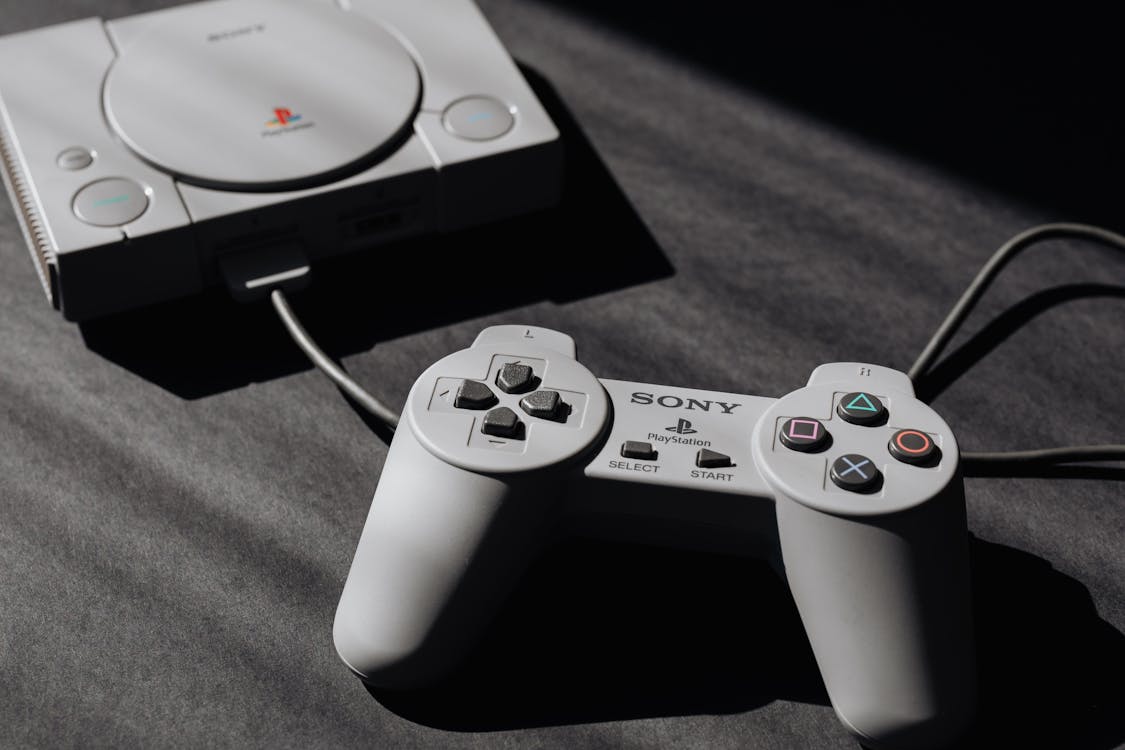
PlayStation 1 games represent a golden era of gaming. Professional grading authenticates and preserves these increasingly valuable classic titles.

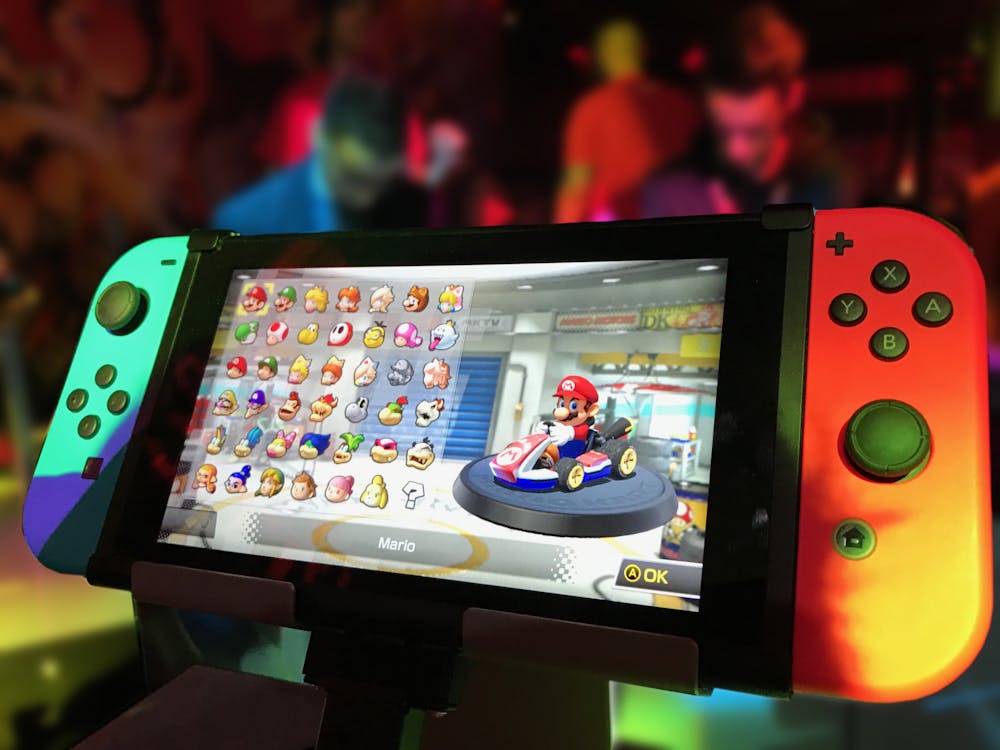
Nintendo games span decades of gaming history and are among the most collectible titles in the hobby. Professional grading ensures their authenticity and preservation.

Retro games represent gaming's rich history. Professional grading authenticates and preserves these aging titles before condition deteriorates further.

Sealed games represent the highest tier of game collecting. Professional grading verifies the authenticity of factory seals and preserves these pristine items.

Rare video games deserve professional protection. Grading authenticates your rare titles and provides the encapsulation needed to preserve their exceptional value.

Verifying that a game is genuinely factory sealed requires attention to specific details about the wrap, seal placement, and overall packaging characteristics.

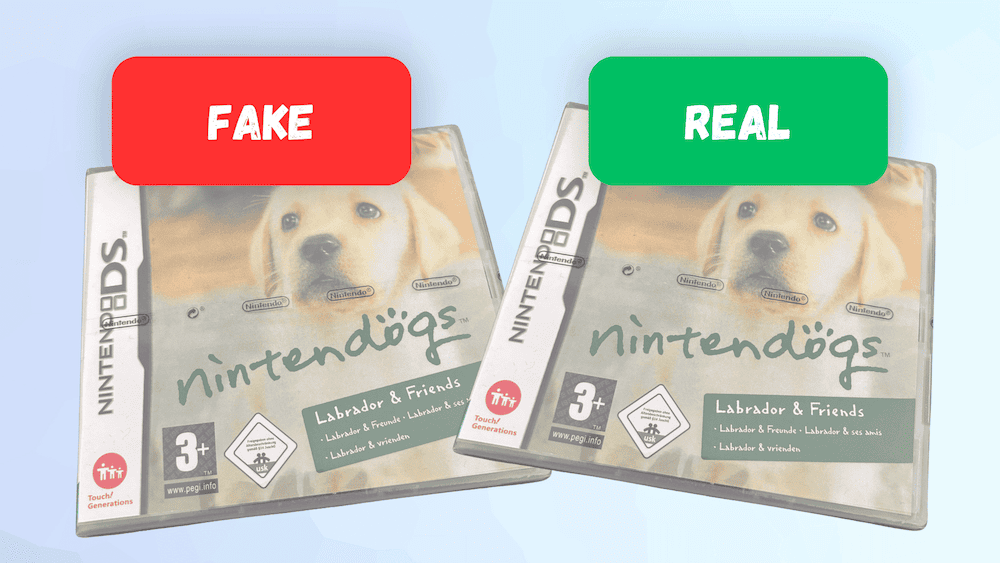
Resealed games are a growing problem in the collecting market. Learning to identify common reseal techniques protects you from paying sealed prices for opened games.

Mint condition describes a game that appears as new, with no visible wear, damage, or flaws. Understanding this standard helps collectors evaluate their games.

CIB stands for "Complete in Box" -- a video game that includes its original box, manual, and game media, but has been opened and is not sealed.

A grade of 90 on the standard 100-point scale indicates a game in outstanding condition with minimal visible flaws, placing it in the top tier of collectibility.

Proper video game storage is essential for preserving condition and value. Temperature, humidity, light, and physical arrangement all play critical roles.

Protecting your video game collection involves physical safeguards, proper handling techniques, environmental controls, and professional preservation options.