The Seal Felt Completely Real
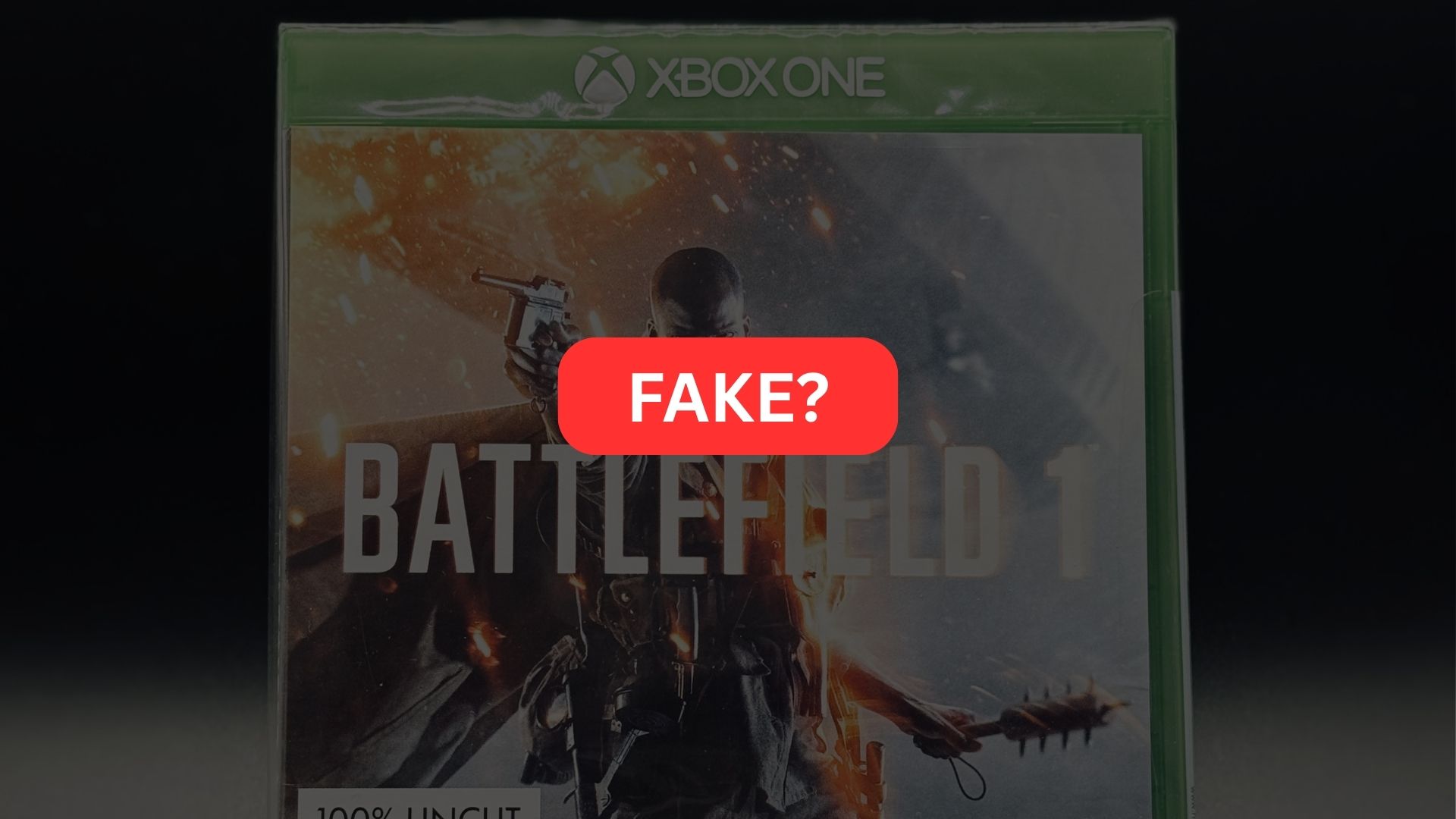
When the game first arrived, it made a strong first impression. The outer foil felt tight, clean, and professional — exactly what you would expect from a factory-sealed Xbox One title. The thickness of the wrap, the way it sat against the case, and the overall presentation gave no immediate cause for concern. This is important to highlight, because it shows just how convincing a good reseal can be. Without a careful, methodical inspection, this game could have easily passed an informal check. It is a reminder that gut feel alone is never enough.
Hair and Lint Trapped Under the Seal
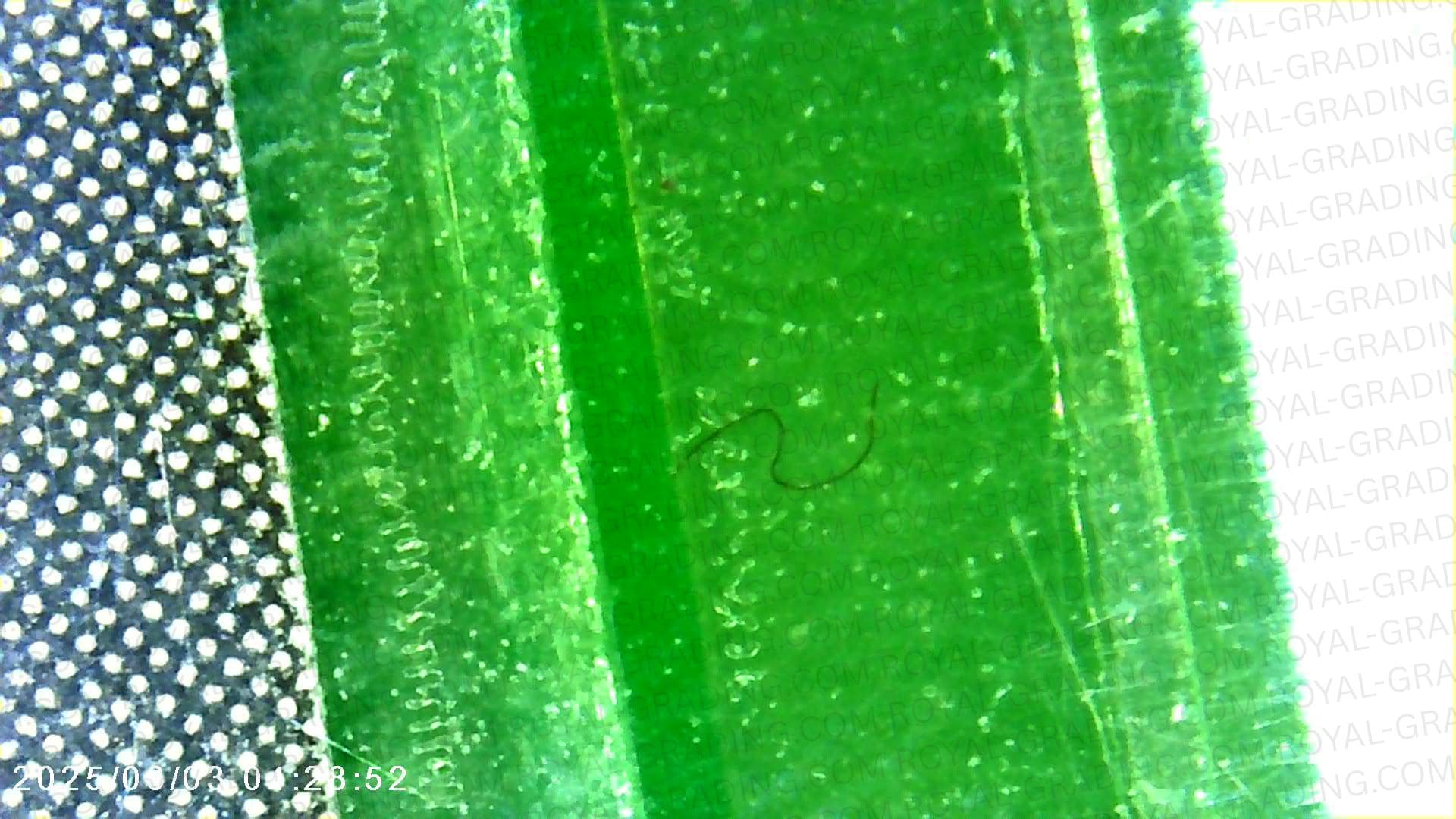
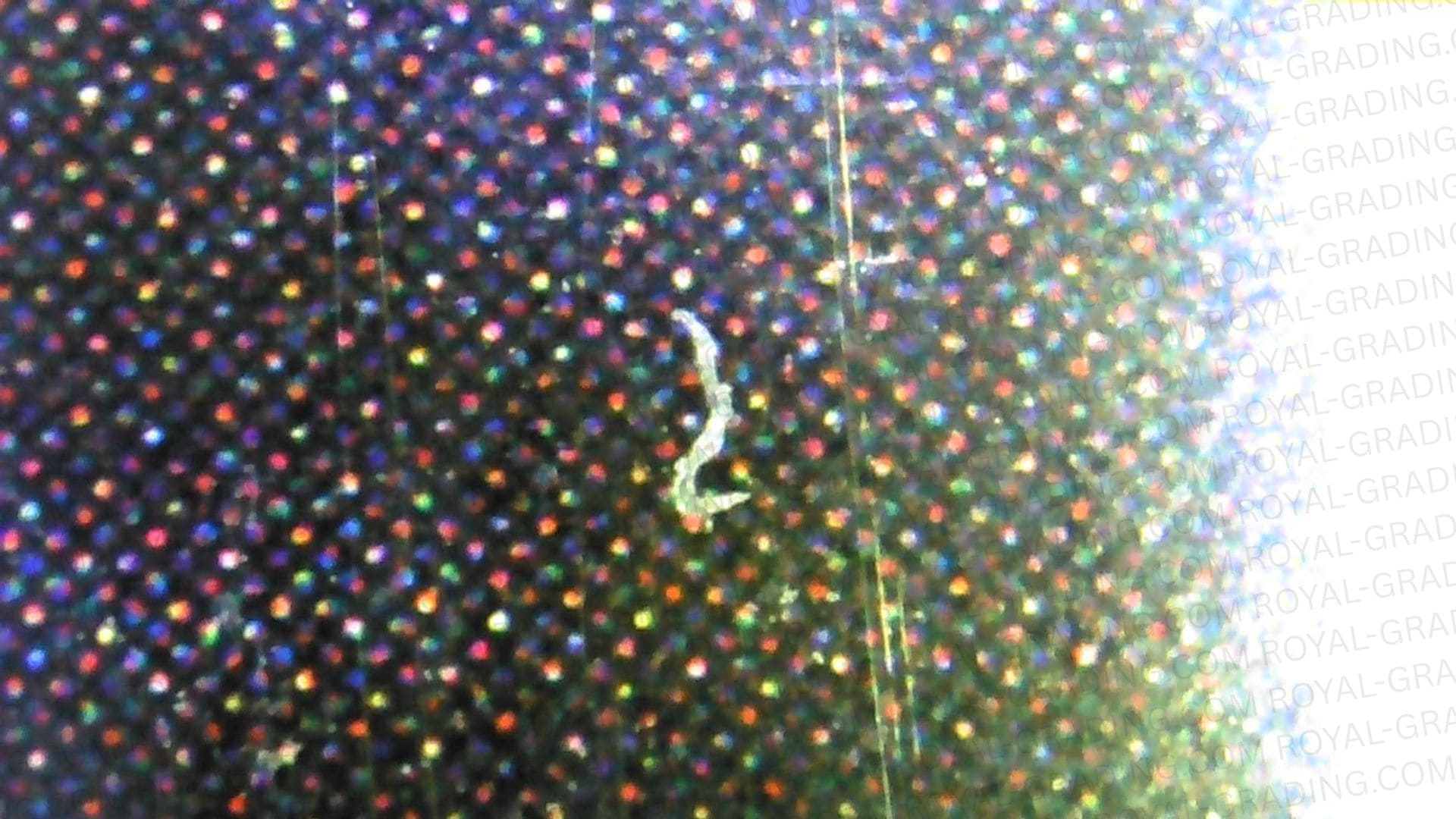
The first concrete indicators appeared when we looked closely at the area beneath the foil. Visible in multiple spots were hairs and small fibres caught between the wrap and the game box. Factory sealing takes place in controlled environments specifically to prevent exactly this kind of contamination. Finding multiple pieces of debris trapped under the seal is one of the most reliable signs that a game has been opened and resealed outside of a factory setting.
More Debris: Consistent Pattern
This was not isolated to one corner. Multiple angles revealed the same pattern — fibres and dust trapped in different spots under the wrap. The consistency of this across the game reinforces that the contamination occurred during an open-air resealing process rather than being a rare factory anomaly.
Additional Debris Spots
Here is one more examples of debris found under the seal during our inspection. Each individual occurrence might be explained away in isolation — but together, they paint a clear picture.
Have a game you want authenticated?
We handle the full grading and authentication process — so you know exactly what you have.
Tear Under the Seal — But No Damage to the Foil
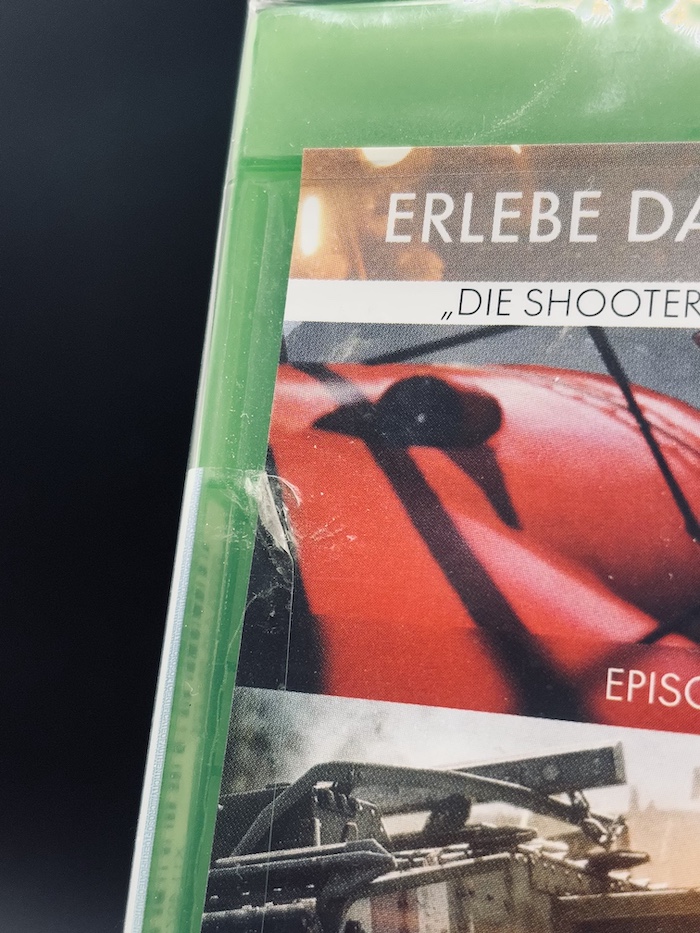
We also found what appears to be a tear or crease on the surface of the game cover, located underneath the foil. What makes this particularly unusual is that the foil itself shows no corresponding damage — no puncture, no tear, no mark at all. If the damage to the box happened before sealing, the foil would cover a clean surface. If it happened after, the foil should show damage too. Finding a damaged box surface with a completely undamaged foil above it is something we cannot explain in the context of an untouched, factory-sealed product.
Damaged Xbox Security Seal — Under an Intact Foil
Every Xbox One game box must carry the official Xbox security sticker — a tamper-evident label applied by Microsoft during factory production. This sticker is not optional. If it is missing entirely, that alone is sufficient reason to reject a game as a reseal. In this case the sticker was present, but showed visible damage at one corner. What makes this particularly striking is that the outer foil sitting directly on top of it was completely intact — no puncture, no crease, no disruption whatsoever. The Xbox security seal is specifically designed to show tampering. Damage to that seal while the foil above it remains perfectly preserved is, in our view, logically inconsistent with a game that has never been opened.
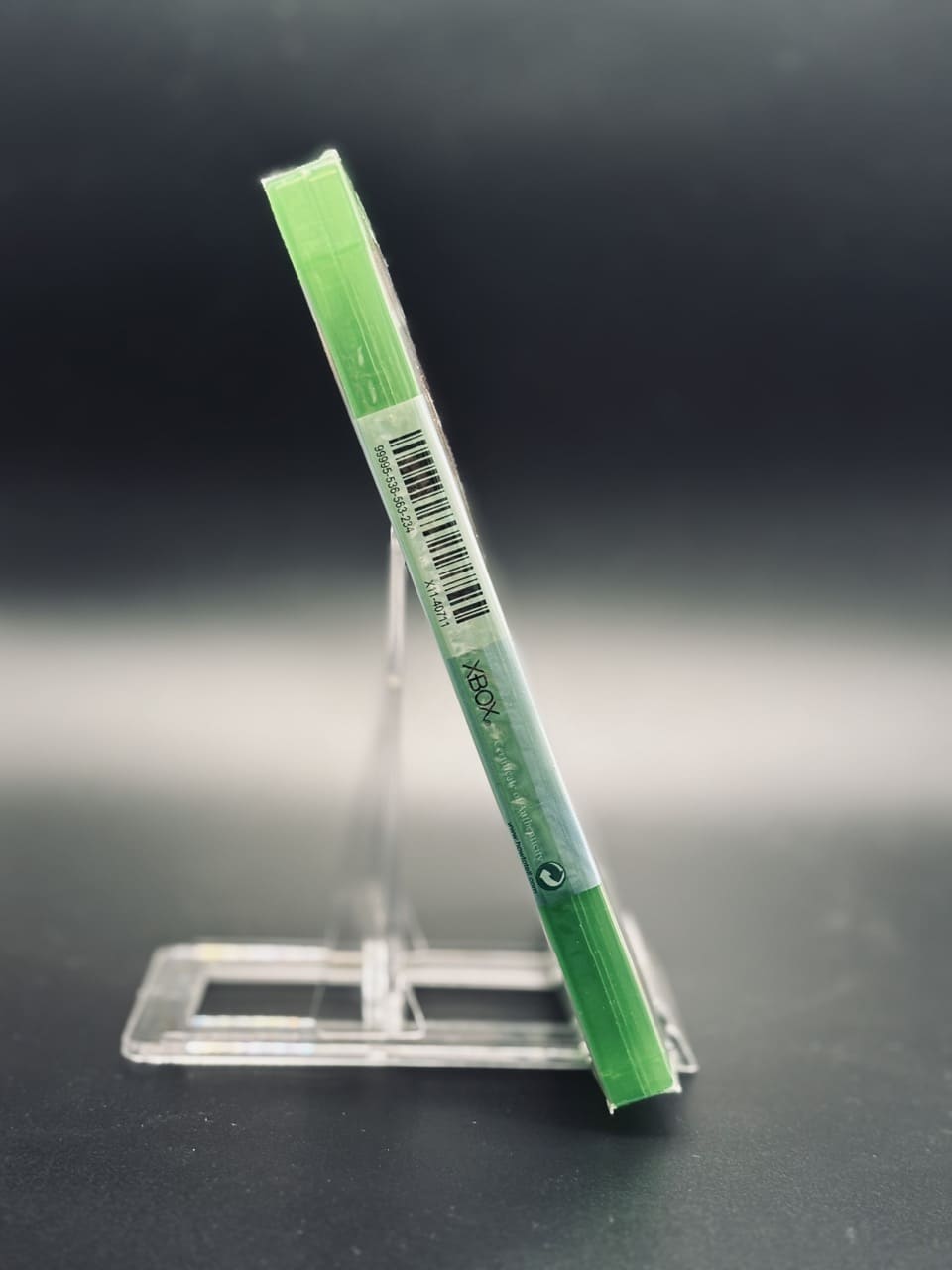
Unusual Print Quality on the Seal
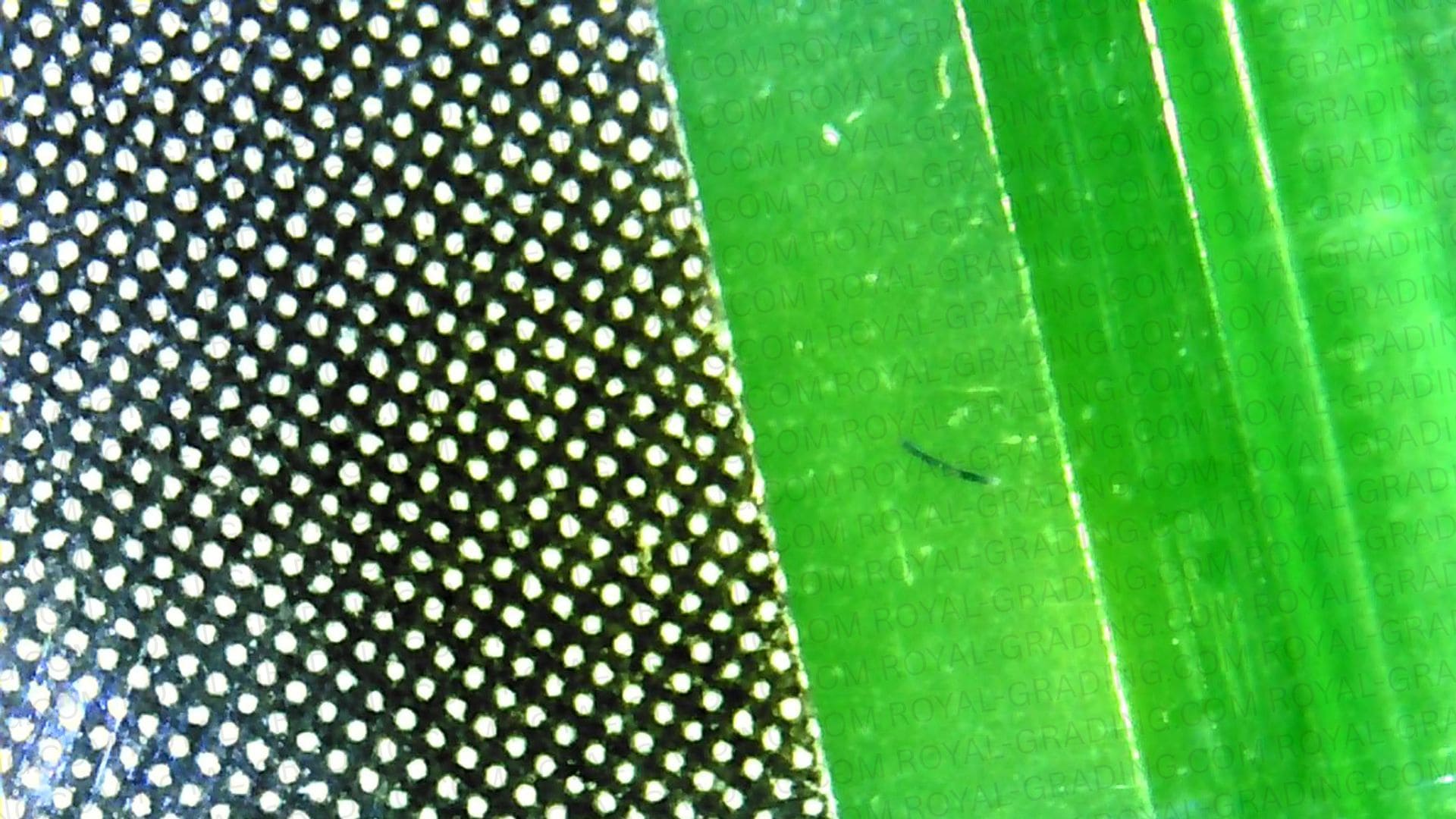
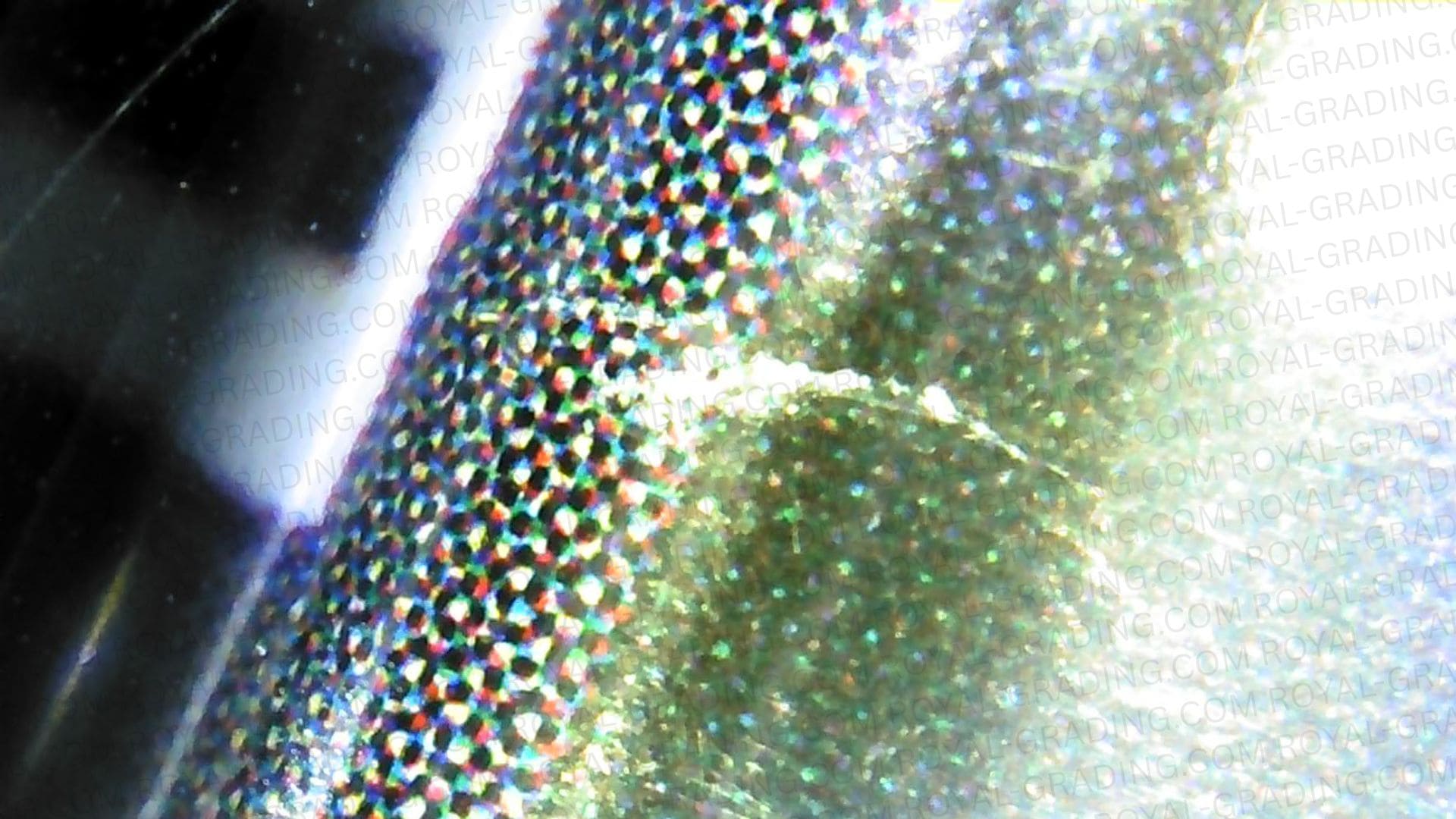
During our inspection we also noted that the print quality on the seal appeared slightly unusual when compared to other copies we have handled. We want to be clear: print quality can vary between production runs, print suppliers, and regional batches. This detail alone does not constitute evidence of a reprint or a fake. We are not treating it as proof of anything — it is simply an observation we made during our investigation, and it contributed to the overall picture we were building.
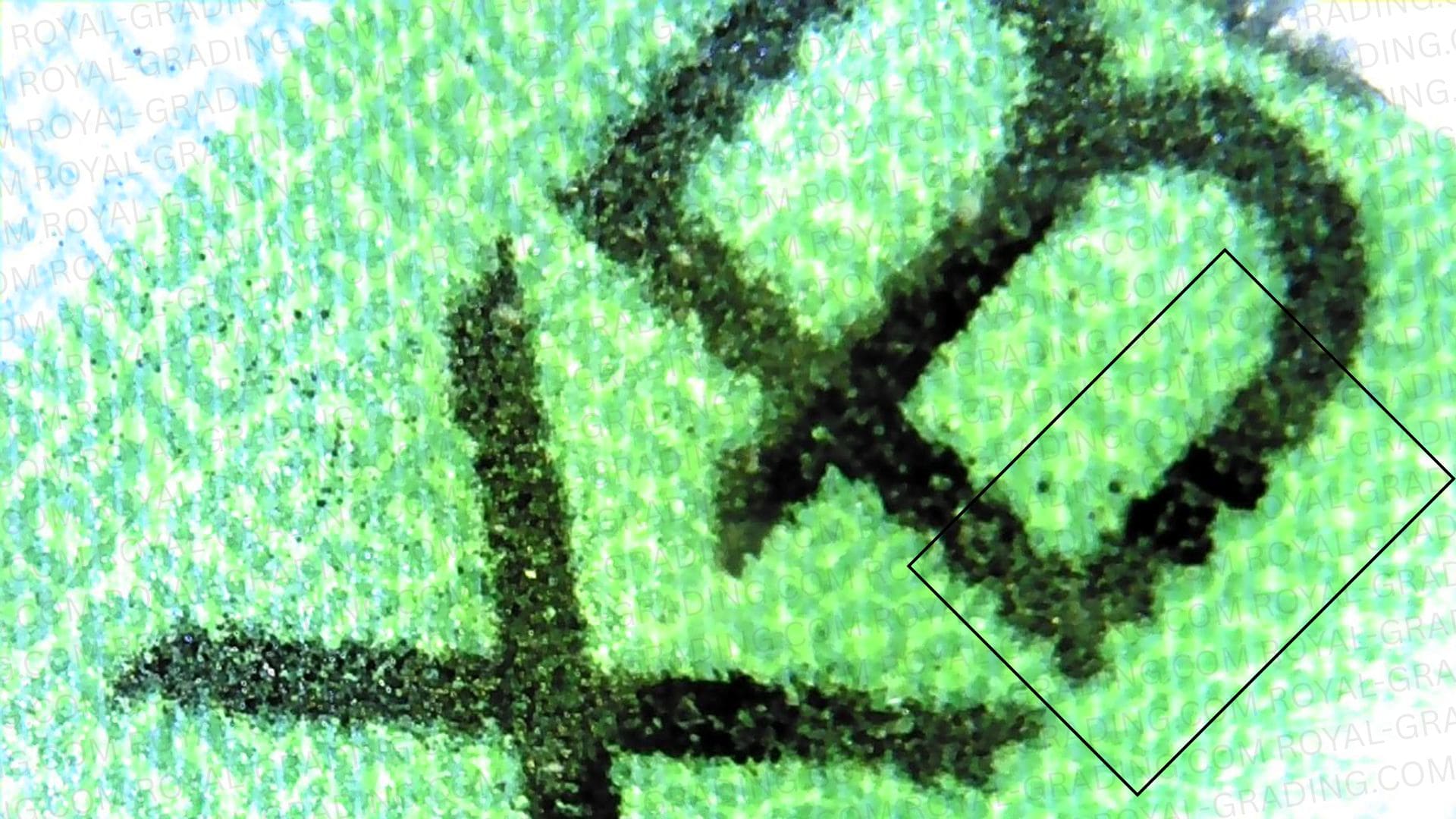
® The "R" Touching the Circle
A subtle but recurring indicator in fake or resealed Xbox games is the rendering of the ® symbol on the seal or packaging. On authentic copies, the registered trademark symbol has a consistent stroke weight and the letter "R" does not make contact with the surrounding circle. On reproduced seals, the "R" is often thicker, misshapen, or touches the border of the circle. This is a small detail, but it is the kind of inconsistency that tends to appear in reproduced printing and can be a useful cross-reference point.
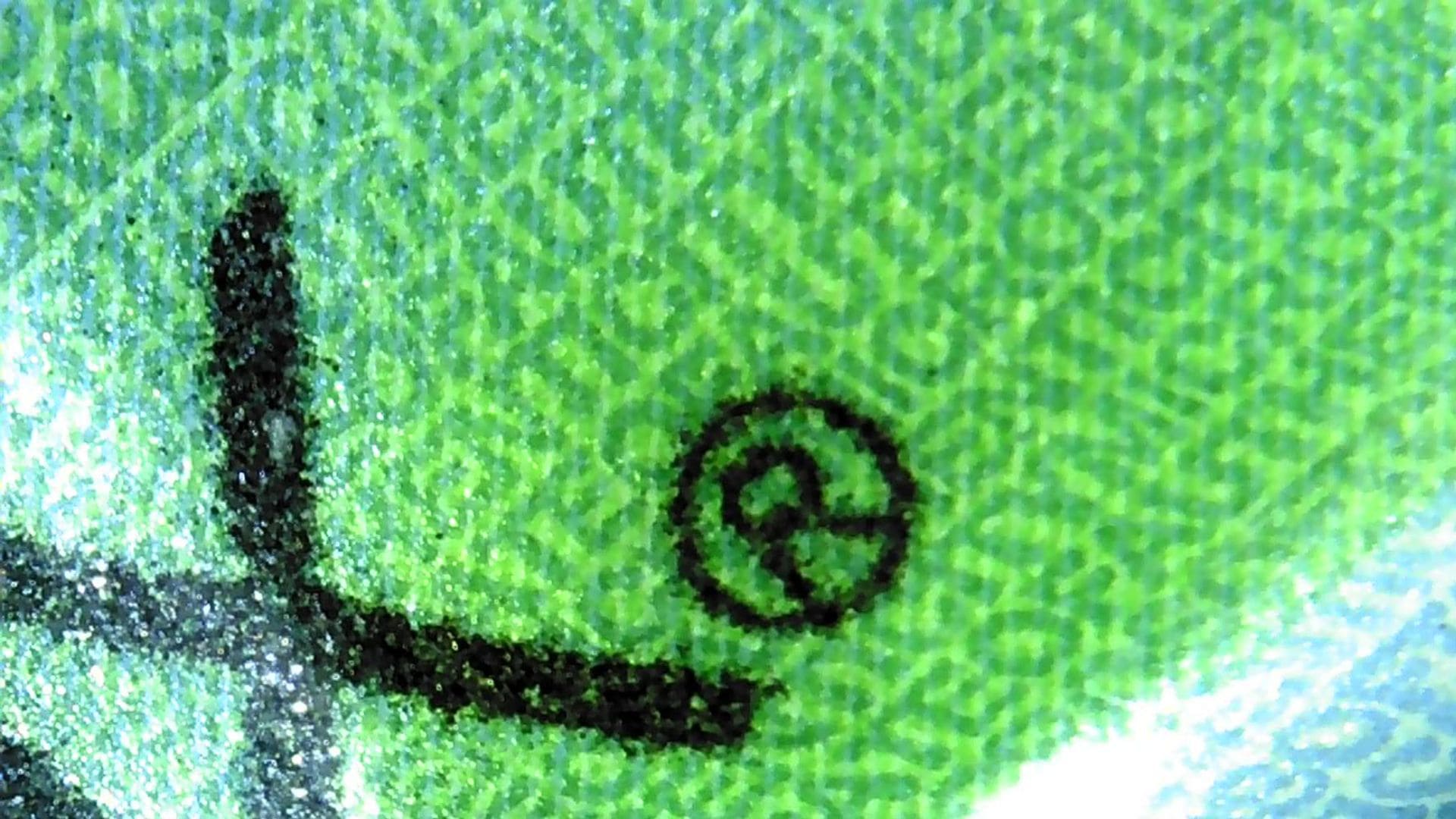
These Are Indicators, Not Proof — But Enough for a Decline
It is important to be honest about the nature of what we have presented here. None of these findings, taken individually, constitute definitive proof that this game was resealed. Debris can theoretically enter during factory processes. Print quality varies. Even security seal damage could, in theory, have an explanation we have not considered. We could be wrong. However, our job is not to prosecute — it is to authenticate. And at Royal Grading, we apply a strict standard: we only certify a game as sealed when our gut feeling aligns with what the evidence shows. When multiple independent indicators point in the same direction, we treat that as sufficient grounds to decline. We would rather reject a genuine game than certify a fake one. This is sometimes called the false positive versus false negative trade-off. A false negative — rejecting a real sealed game — is unfortunate, and we genuinely regret when this happens. A false positive — certifying a resealed game — undermines the entire purpose of grading and harms every collector who relies on our certification. We will always choose the former over the latter.
Continue your reading
If you want to go one step further after reading about fake sealed xbox games, our fake sealed nintendo ds games guide explains sealed Nintendo DS games have become increasingly popular among collectors, which unfortunately also makes them a common target for reseals and counterfeit copies. Understanding subtle differences is key to protecting your collection.
Collectors researching fake sealed xbox games should also look at resealed game detection to better understand resealed games are a growing problem in the collecting market. Learning to identify common reseal techniques protects you from paying sealed prices for opened games.
Royal Grading
Published