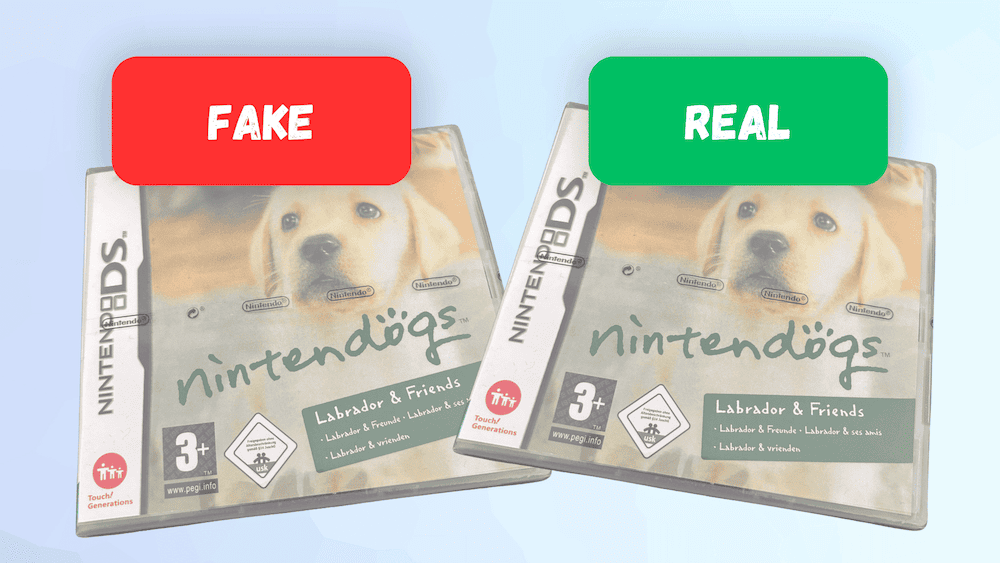
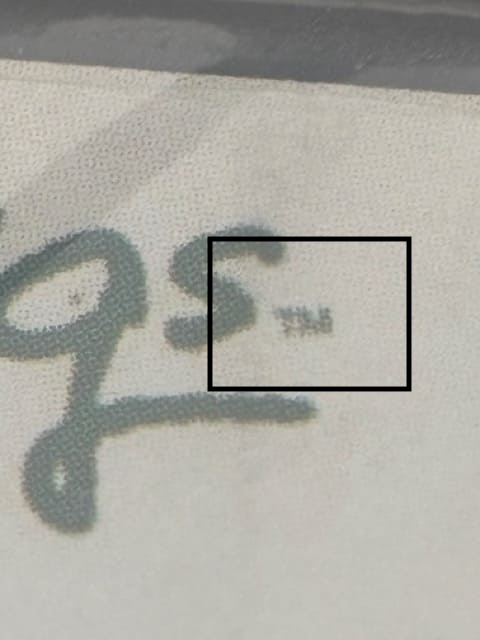
🔍 Print Quality & Trademark Details
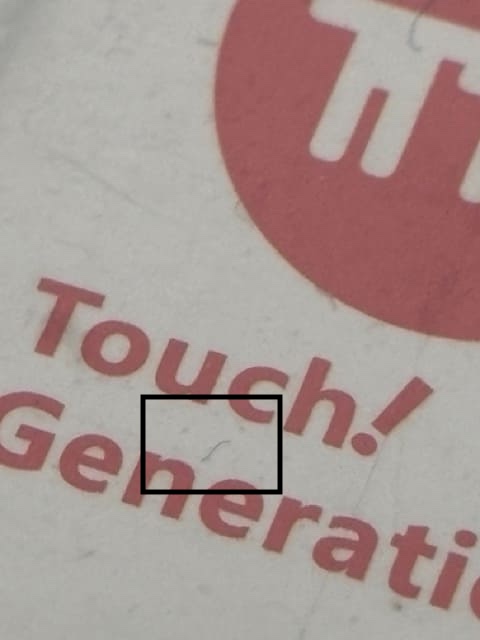
One of the first things to examine is the overall print quality, especially small elements like the Trademark (™) symbol. On authentic copies, this symbol is sharp, clean, and clearly legible. On fake or reproduced covers, it often appears blurry, poorly defined, or slightly distorted. These small inconsistencies in print quality can be early warning signs that something is off.
🧵 Dust/Hairs Under the Seal
Another strong indicator of resealing is the presence of dust, hairs, or small fibers trapped under the plastic wrap. Authentic factory sealing takes place in controlled environments, making it extremely unlikely for debris to be caught beneath the foil. If you notice anything under the wrap, it is usually a sign that the game has been opened and resealed.
® Nintendo Strip & Logo Details
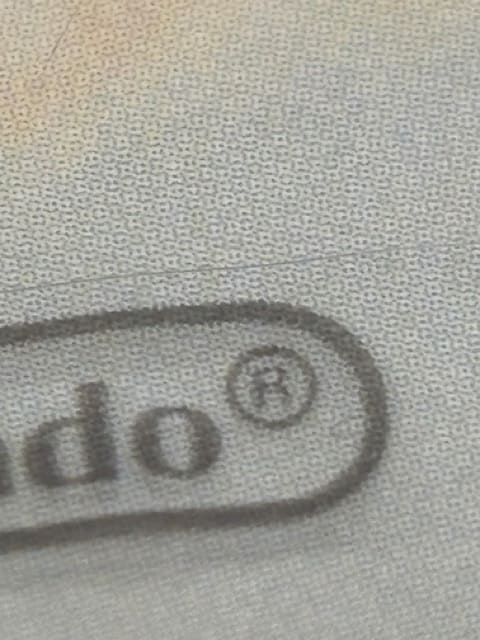
A closer look at the Nintendo sealing strip can reveal important clues. The "R" symbol within the circle should have a consistent thickness and should not touch the surrounding border. On fake examples, this "R" is often too thin, uneven, or improperly positioned, sometimes even touching the circle. These differences may seem minor, but they are commonly seen on counterfeit packaging.
🏷️ Backside Stickers & Labels
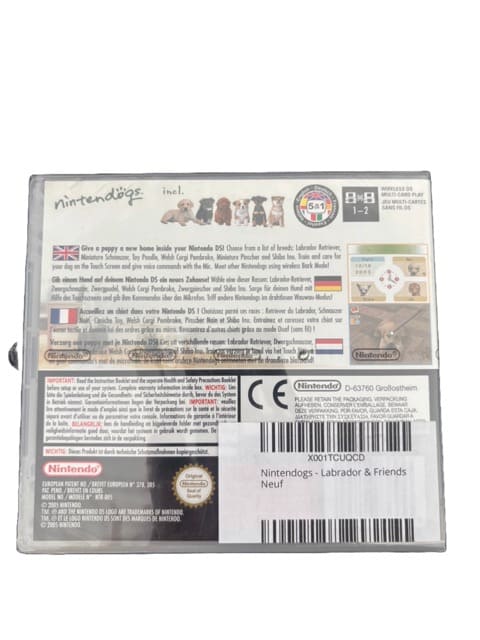
On the back of some Nintendo DS games, you may find a sticker containing a product label or barcode. While this does not automatically indicate a fake, it is important to assess its condition. A very bright white sticker with no signs of aging or yellowing can suggest that it was applied recently. In some cases, resealers add fresh stickers to improve the presentation or streamline resale logistics, a practice that has occasionally been observed within certain marketplace environments.
🌍 Language & Region Icons
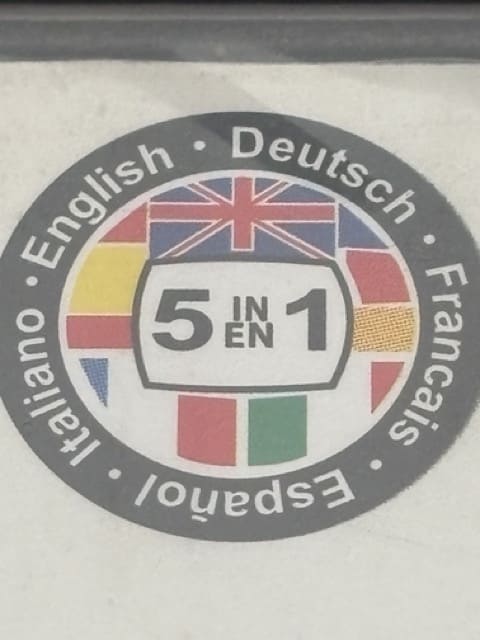
Another detail to inspect is the language or region emblem typically found on the back of the case. On authentic copies, these icons are printed clearly with accurate colors and recognizable details. Counterfeit versions often show poor print quality, incorrect colors, or blurry shapes, making the individual flags or symbols difficult to identify.
Have a game you want authenticated?
We handle the full grading and authentication process — so you know exactly what you have.
📦 Plastic Wrap Texture & Fit
The plastic wrap itself is one of the most reliable indicators when assessing authenticity. Genuine factory seals are usually slightly loose and have a subtle texture, giving them a somewhat rough feel. In contrast, resealed games often have plastic that is very tight, overly smooth, and soft, almost resembling stretch film. If the wrapping looks unusually perfect or feels too polished, it is worth taking a closer look.
📶 Wi-Fi / Hotspot Stickers
Some releases, particularly in Germany, include additional stickers such as the Nintendo Wi-Fi or Hotspot label. While these were originally legitimate, they are now commonly replicated by third-party manufacturers. When evaluating such stickers, pay close attention to print quality and detail. Missing or poorly printed letters, such as an incomplete "t" in "Hotspot," can indicate a reproduction.

📐 Seal Structure (Y-Fold)
The structure of the seal itself is also important. Authentic Nintendo DS games typically feature a clean and well-defined Y-fold. The folds should be sharp, consistent, and properly aligned. Fake or resealed copies often show irregular folding patterns, messy edges, or incorrect placement, which can be a strong indication that the original seal has been tampered with.
🎨 Color Accuracy & Print Consistency
Finally, always consider the overall color accuracy and print saturation of the cover artwork. Authentic copies maintain consistent color tones and sharp image quality. Counterfeit versions may appear slightly off, with colors that are too dark, too washed out, or subtly shifted. In some cases, you may also notice minor pixelation or reduced clarity compared to known originals.
🧠 Final Thoughts
No single detail can definitively prove whether a game is fake or authentic. However, when multiple small inconsistencies appear together, they form a much clearer picture. Developing an eye for these patterns takes time and experience, but it is one of the most valuable skills a collector can have.
Know Something We Missed?
If you have spotted additional signs that help identify fake or resealed Nintendo DS games, we would love to hear from you. Share your tip with us — if it is new and valuable to our community, we will send you a €5 voucher for our shop as a thank you.
Send your tip to info@royal-grading.comContinue your reading
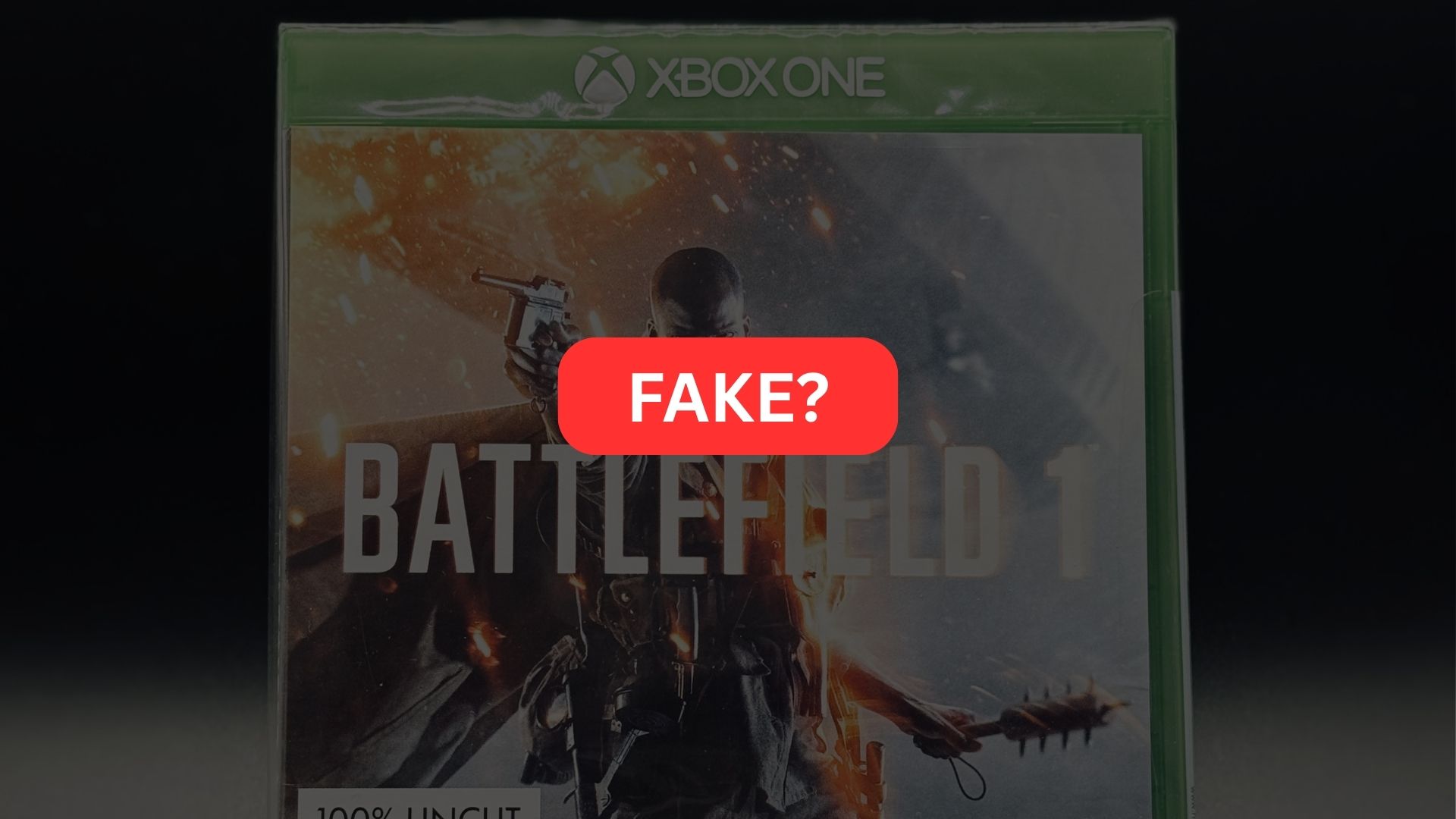
If you want to go one step further after reading about fake sealed nintendo ds games, our fake sealed xbox games guide explains a customer recently submitted a sealed copy of Battlefield 1 for Xbox One — and we had to decline it. The outer seal felt convincingly real, but a closer inspection revealed a series of red flags that pointed strongly toward a reseal. This is the story of what we found, and why we decided to reject the order.
Collectors researching fake sealed nintendo ds games should also look at resealed game detection to better understand resealed games are a growing problem in the collecting market. Learning to identify common reseal techniques protects you from paying sealed prices for opened games.
Royal Grading
Published