
What Qualifies as "Retro"?
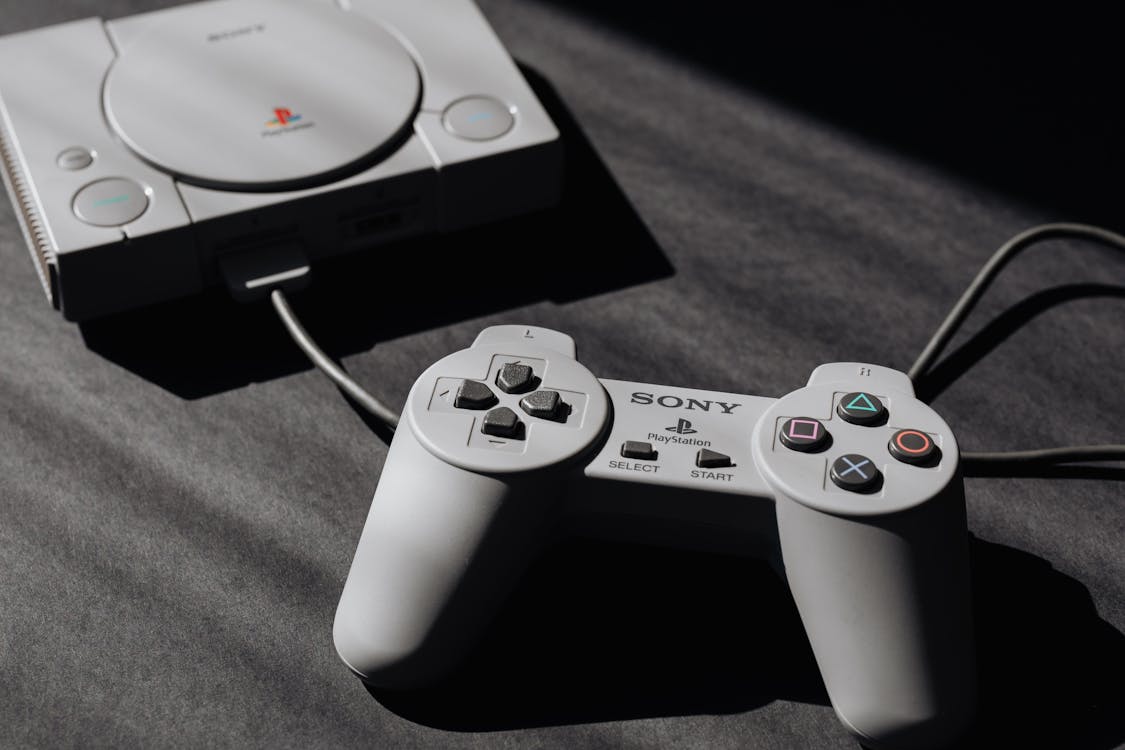
While the definition of "retro" continues to shift with time, it generally encompasses games and consoles that are at least two generations behind the current market. This currently includes everything from the earliest home consoles through the sixth generation (PlayStation 2, Xbox, GameCube era). These games were produced in an era before digital distribution, making their physical copies finite and increasingly valuable.
The Importance of Grading Retro Games
Retro games face unique preservation challenges. Cardboard boxes degrade over time. Cartridge labels can fade, peel, or discolor. Disc-based media can develop oxidation. Battery-backed save systems can leak and damage circuitry. Professional grading captures the current condition of these aging items and encapsulates them to prevent further deterioration, essentially freezing them in time.
High-Value Retro Gaming Categories
Several categories of retro games consistently perform well in the collecting market: launch titles for major consoles, games from beloved but defunct studios, titles with limited regional releases, competition and promotional cartridges, and games that were recalled or had production issues. Understanding these categories helps collectors identify potential grading candidates in their own collections.
Starting Your Graded Retro Collection
If you are new to retro game collecting, start with platforms you have personal connections to. Focus on quality over quantity -- a few professionally graded, high-condition games are more impressive and valuable than a large collection of loose cartridges. Research values before grading to ensure you are making smart investments. And most importantly, collect what you love -- passion for the games makes the hobby truly rewarding.